Commercial Waste Removal Belmont: Recycling and Sustainability
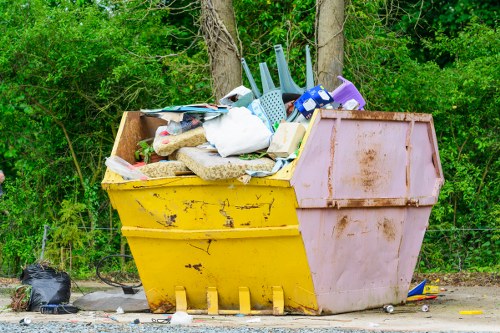 Our approach to creating an eco-friendly waste disposal area in Belmont is practical, measurable and community-focused. We combine local knowledge of borough waste separation schemes with scalable commercial systems so businesses can transition to a truly sustainable rubbish area. That means aligning with kerbside separation rules for paper, glass, food waste and plastics while offering bespoke solutions for cardboard, timber, metals and e-waste common to commercial properties.
We work with local authorities and follow the boroughs' approach to waste separation to make sure collections are compliant and recyclable materials stay in the circular economy. Belmont commercial waste recycling is designed to complement municipal services: where the borough asks for dry mixed recycling, we provide pre-sorting to reduce contamination; where food waste is separately collected, we offer dedicated bins and sealed containers for businesses.
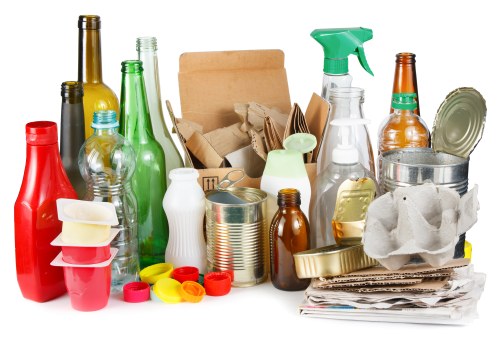 To measure progress we set a clear recycling percentage target: our goal is a 70% recycling rate for commercial waste by 2030 across the areas we serve. That percentage reflects realistic diversion of paper, cardboard, plastics, metal, glass, food and construction waste away from landfill toward reprocessing and reuse. We monitor, report and adapt strategies to keep improvements on track.
Local transfer stations and logistics
We route collected materials through efficient local transfer stations to reduce haul distances and emissions. Typical transfer points include Belmont Transfer Station, Riverside Transfer Hub and Westside Aggregates Exchange—each selected for proximity, sorting capability and the ability to accept segregated commercial streams. Using nearby facilities shortens journeys, speeds up throughput and lowers the carbon footprint of commercial rubbish removal Belmont.
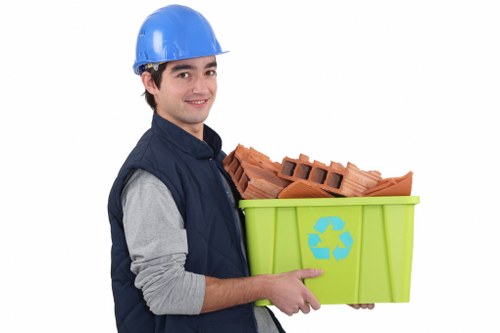 Our logistics model also integrates low-carbon vans and fleet improvements. A mixed fleet of electric vans for short urban rounds, hybrid vehicles for mixed-distance work and Euro-6 low-emission diesel for heavy loads lets us match vehicle to job. Route optimization software and scheduled consolidation mean fewer trips and lower fuel use—aligning with our promise to support an eco-friendly waste disposal area.
We maintain partnerships with local charities and social enterprises to give usable items a second life. Furniture, working appliances and surplus office supplies are assessed for reuse and offered to charity partners or social resale outlets. Items not fit for reuse are directed to specialist recyclers, ensuring maximum material recovery from commercial colliers and office clearances.
Practical recycling activities in the area
Our services reflect the most common commercial recycling activities in the borough: cardboard baling, pallet wood chipping, metal segregation, safe e-waste handling and food waste collection for anaerobic digestion. We support textile recycling drives and partner with companies that accept construction materials such as concrete, bricks and plasterboard for aggregate recovery. These initiatives form the backbone of a resilient and sustainable rubbish area within Belmont.
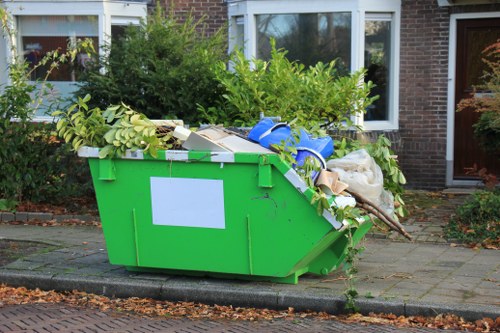 For businesses seeking to boost their recycling percentage, we offer tailored waste audits, clear bin-labeling programs and staff training. Simple procedural changes—like separating food waste at source, compacting cardboard and keeping glass separate from light mixed recyclable streams—can improve capture rates quickly and reduce contamination that otherwise sends loads to refuse-to-energy or landfill.
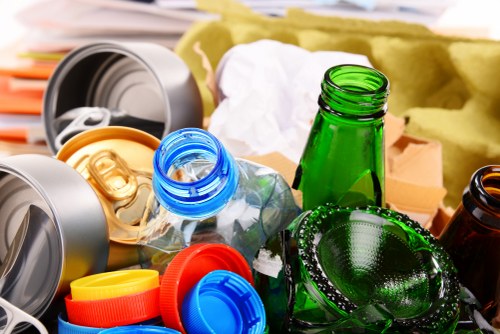 Our commitment to sustainability extends beyond recycling percentages. We report monthly on diversion rates, carbon savings from vehicle electrification and the volumes of material redirected to reuse charities. This transparent reporting helps property managers and facilities teams show clear environmental performance improvements while complying with borough waste policies.
Key service features include:
- Targeted recycling for commercial cardboard, plastics, metals and glass to hit the stated recycling percentage target.
- Low-carbon vans and optimized routing to reduce transport emissions across Belmont and neighbouring boroughs.
- Use of local transfer stations to keep journeys short and support regional circular supply chains.
- Partnerships with charities for reuse of furniture, appliances and surplus stock.
- Specialist handling for e-waste and construction debris to maximize material recovery.
Working alongside municipal initiatives, our model respects the boroughs' approach to waste separation and builds on existing kerbside schemes to improve outcomes for the whole community. We also collaborate with local businesses to pilot innovative solutions such as on-site compaction, segregated food waste bins and timed collections to reduce street-level clutter and cross-contamination.
By combining operational efficiency, community partnerships and a clear sustainability target, Commercial Waste Removal Belmont delivers a robust framework for an eco-friendly waste disposal area and a thriving sustainable rubbish area. Our focus is measurable improvement, reduced carbon intensity and maximum reuse—so that commercial waste becomes a resource rather than a burden.
Long-term goals include increasing the recycling percentage to 75% for particular commercial sectors, expanding electric vehicle coverage across the fleet, and deepening charity partnerships to prevent reusable items from entering residual waste. We continuously review transfer station partners and material outlets to ensure the highest standards of processing and the best environmental outcomes for Belmont.
By choosing a service that prioritizes the environment, businesses help create a cleaner borough and support the circular economy. Together, through targeted recycling efforts, local transfer station use and charity collaborations, we can build a resilient, low-carbon approach to commercial waste that meets borough expectations and benefits everyone.
Takeaway: Our integrated strategy—clear targets, smart logistics, low-emission vehicles and reuse partnerships—creates a replicable blueprint for a greener, more efficient commercial waste system in Belmont and beyond.