Health and Safety Policy for Commercial Waste Removal Belmont
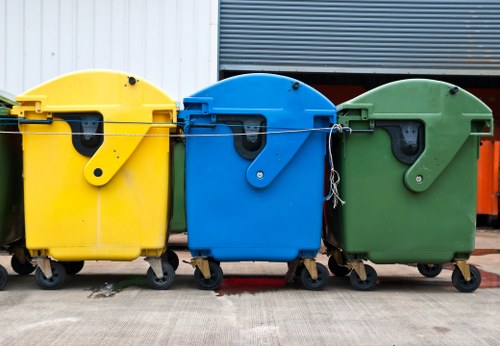 Purpose: This Health and Safety policy sets out the obligations and procedures applicable to our commercial waste removal operations. It applies to every employee, contractor and visitor involved in commercial waste removal in Belmont and the surrounding service area. The goal is to reduce risk, prevent injury and protect property and the environment through consistent safe working practices and compliance with recognised industry standards.
Scope and Application
This policy covers all aspects of our commercial rubbish removal service, including on-site collection, transport, temporary storage and disposal. It applies to activities at customer sites, service yards and during transit. All personnel must follow the policy whether engaged in minor clearance works or larger-scale commercial waste services. The policy supplements site-specific instructions and any client safety requirements without replacing them.
Responsibilities
Management retains ultimate responsibility for the implementation, review and resourcing of this policy. Supervisors are accountable for day-to-day enforcement, and each employee must take reasonable care for their own safety and that of others. Key responsibilities include:- Risk assessment - identify hazards before work begins and record control measures.
- Training - provide induction and ongoing training for safe handling, lifting, and machinery operation.
- Reporting - ensure incidents and near-misses are reported promptly for investigation.
All staff involved in Belmont commercial rubbish removal must be competent for the tasks assigned. Competency is demonstrated through certifications, practical assessments and on-the-job supervision. Use of agency or temporary workers requires verification of skills and a site induction prior to undertaking duties. Supervisors must not allow unqualified personnel to operate compactors, forklifts or mobile plant.
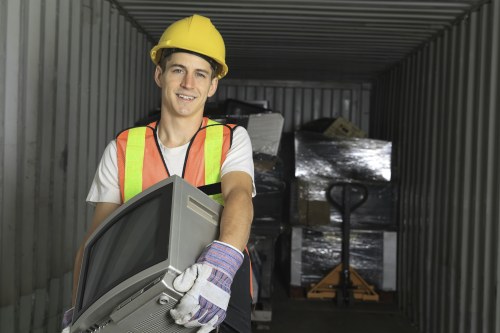 Risk Management: We adopt a hierarchy of controls to manage hazards: eliminate, substitute, engineer controls, administrative actions and personal protective equipment (PPE). For example, bulky waste is assessed for manual handling risks and mechanical aids are used where elimination is not possible. Controls are proportionate to the identified risks for each commercial waste collection in Belmont and across our service area.
Safe Work Procedures
Standard operating procedures are in place for common activities: site surveys, traffic management, waste segregation, container loading and vehicle securing. Drivers must follow vehicle safety checks, secure loads and observe safe driving practices. Crew members must maintain a clear exclusion zone during loading and ensure hand tools and equipment are stowed safely to prevent injury.Control of hazardous materials - Where commercial waste includes hazardous or potentially hazardous items (e.g., batteries, aerosols, asbestos-containing material), work must stop and the material isolated until a qualified person determines safe handling and disposal. Employees must never assume unknown waste is non-hazardous; treat unknowns with caution and follow written procedures.
Personal Protective Equipment - Appropriate PPE such as gloves, hi-vis clothing, eye protection and safety boots must be worn during operations. Respiratory protective equipment is required where dust or airborne contaminants are identified. PPE is the last line of defence and does not replace elimination or engineering controls.
Monitoring, Reporting and Continuous Improvement
We maintain records of risk assessments, training, equipment inspections and incident reports. Regular audits and toolbox talks ensure the policy is effective and current. Management will review this policy at least annually and following any significant incident, change in legislation or operational change. Continuous improvement is achieved through corrective actions and worker feedback. Emergency Response - Emergency procedures are in place for accidents, spillage and fire. All personnel must be familiar with the emergency plan relevant to their work area, know the location of first-aid equipment and be able to contact emergency services when required. Spill kits and fire extinguishers are kept on vehicles and at depots where appropriate.
 Compliance and Enforcement - Compliance with this policy is mandatory. Non-compliance may result in disciplinary action, retraining or removal from duty. This policy is designed to support safe commercial waste services across our service area and ensure the protection of workers, clients and the public. Everyone involved in rubbish removal Belmont operations must cooperate, follow instructions and contribute to a safe working environment.
Review Date: This policy will be reviewed regularly and updated to reflect operational changes and legislative updates. It serves as the overarching safety framework for commercial waste services and commercial waste collection activities and should be read in conjunction with site-specific risk assessments and client instructions. Safety is a shared responsibility and adherence to these principles is essential for effective, safe and compliant commercial waste removal.