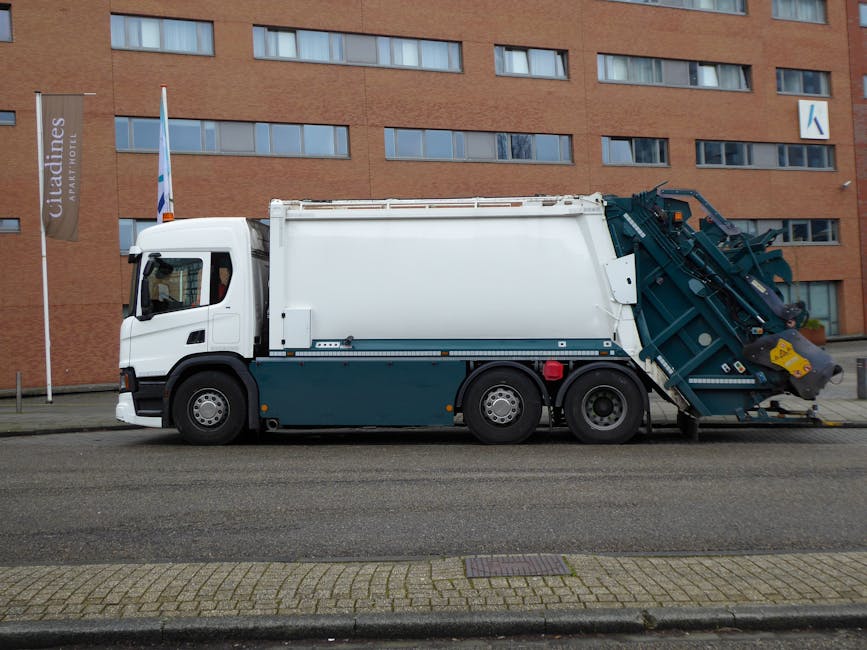
Belmont Village bulky waste collection for flats on High Street

If you live in a flat on High Street, bulky rubbish can turn into a bigger problem than it first looks. A sofa stuck in the hallway, a broken fridge in the corner, or a pile of packaging after a refit can start to eat into space fast. Belmont Village bulky waste collection for flats on High Street is really about getting those awkward items removed cleanly, safely, and without creating a nuisance for neighbours. Simple enough on paper. In real life, not always.
This guide walks you through how flat-based bulky waste collection typically works, what to expect, what to avoid, and how to make the process smoother from start to finish. We will also touch on compliance, access issues, recycling choices, and the practical differences between clearing one large item and clearing an entire flat.
Why Belmont Village bulky waste collection for flats on High Street Matters
Bulky waste in a flat is not just a storage issue. It can affect fire safety, shared access, building tidiness, and relationships with neighbours or landlords. One abandoned armchair in a corridor may look harmless in the morning. By evening it can be blocking a stairwell, smelling damp after a wet spell, and making everyone mildly irritated. That is usually the moment people realise a proper collection is needed.
On a busy High Street, access matters too. Flats often sit above shops, sit behind narrow entrances, or share communal bins that are simply not built for sofa-sized problems. If waste is left where it should not be, it may be seen as fly-tipping or a breach of building rules, depending on the circumstances. The exact rules vary by property and local authority, so it is always worth checking rather than guessing.
There is also a timing issue. Bulky waste is rarely urgent in the same way as a burst pipe, but it has a habit of becoming urgent quickly. A broken wardrobe that leans a little more each day. A mattress waiting in the spare room. Old appliances that you keep moving from one wall to another. You know how it goes.
Expert summary: For flats on a busy street, bulky waste collection works best when access, item type, timing, and disposal route are planned together. That is what prevents delays, extra lifting, and unnecessary hassle.
How Belmont Village bulky waste collection for flats on High Street Works
In practice, bulky waste collection for flats usually follows a straightforward pattern. You identify what needs removing, confirm access, choose a suitable collection time, and make sure the items can be reached without unnecessary lifting or obstruction. A good provider will then remove the items, sort them for reuse or recycling where possible, and dispose of the remainder responsibly.
For flat-based collections, the access step matters more than most people expect. Is there a lift? Is the item on an upper floor? Can the team park close enough to reach the entrance safely? Are there tight corners, coded doors, or loading restrictions on High Street? These details can change a simple job into a fiddly one. Not a disaster, just something worth planning.
If you are arranging clearance as part of a wider tidy-up, it can be sensible to think beyond the one item in front of you. A flat clearance or general waste removal visit may be more efficient if you have furniture, small appliances, and general clutter to clear together. If so, related services such as flat clearance and waste removal may be more appropriate than a one-off collection.
Some items need special handling. Fridges, sofas, mattresses, and anything potentially hazardous are not all treated the same way. If your bulky waste includes an appliance or an item that may need specialist disposal, it is worth looking at fridge and appliance removal, mattress and sofa disposal, or hazardous waste disposal where relevant.
Key Benefits and Practical Advantages
Let's face it, the biggest benefit is peace of mind. Once bulky waste is gone, a flat feels more usable straight away. You can walk through the living room without edging round a chair leg, the hallway stops feeling like a storage corridor, and cleaning suddenly becomes much less annoying.
- More space quickly: Useful when you are moving, renovating, or simply reclaiming a room.
- Less lifting and strain: Large items are awkward, especially on stairs or in narrow communal areas.
- Better building presentation: Shared spaces look tidier and more professional.
- Reduced risk of damage: Fewer scrapes on walls, doors, and bannisters.
- Improved recycling outcomes: Sorted items can often be separated more effectively than if you try to move them yourself.
There is also a less obvious benefit: making a decision faster. Bulky items tend to linger because no one wants to deal with them. Once a collection is booked, the mental load disappears. That matters more than people think. A clear flat can be easier to clean, easier to let, and just easier to live in.
If you want to understand how a provider approaches responsible disposal, it may help to read about recycling and sustainability. And if you are comparing providers or trying to understand what is included, pricing and quotes can help you frame the conversation properly.
Who This Is For and When It Makes Sense
This kind of collection is useful for tenants, landlords, leaseholders, managing agents, and anyone responsible for a flat on High Street that has accumulated more than the communal bins can handle. It is especially useful when the waste is too large for normal bagged collection, or when the item is awkward to move safely on your own.
Typical situations include:
- End-of-tenancy clear-outs
- New furniture arriving before the old furniture is removed
- Renovation offcuts and packaging after work in a flat
- Old white goods no longer working
- Storage items from a loft, garage, or spare room that no longer belong in the home
- Household clutter that has outgrown the flat itself
For landlords, speed matters because void periods are expensive. For tenants, the main concern is usually convenience and making sure the flat is handed back in the expected condition. For agents, the job often comes down to being reliable, tidy, and not creating complaints from nearby residents. Different motives, same need.
In some cases, bulky waste is really a symptom of a larger clear-out. If that sounds familiar, it may be worth looking at home clearance, house clearance, or furniture clearance rather than treating each item separately.
Step-by-Step Guidance
Here is the practical version. No fluff.
- List the items clearly. Write down what needs removing, including anything that may be heavy, fragile, or awkwardly sized.
- Check access. Note stairs, lifts, parking, loading restrictions, door widths, and any building rules that might affect the job.
- Separate special waste. Keep appliances, electricals, and anything potentially hazardous apart from normal bulky items.
- Request a quote or booking confirmation. Be specific about quantity and access. A vague description leads to vague expectations.
- Prepare the route. Clear hallways, unlock doors, and move small loose objects out of the way where possible.
- Confirm the collection window. If your street gets busy around school run time or delivery peaks, timing can matter more than you think.
- Be available for questions. Sometimes the team will need a quick check on an item, especially if it is damaged or partly dismantled.
- Review the area after removal. A quick look around the flat and communal route helps make sure nothing was left behind.
A good rule of thumb: if you cannot describe the bulky waste clearly in one message, take another minute and list it properly. It saves back-and-forth later. And yes, that minute usually pays for itself.
If the job is more office-like than residential, you may also find office clearance or business waste removal more suitable, especially if the waste includes desks, filing cabinets, or stockroom items.
Expert Tips for Better Results
In our experience, the cleanest collections are the ones planned around the building, not just the item. That sounds obvious, but it is amazing how often it is overlooked.
- Disassemble where sensible: Removing table legs, bed frames, or shelving can make stair movement easier and safer.
- Group items by type: Put furniture together, appliances together, and mixed waste together if you can.
- Protect floors and corners: Cardboard, blankets, or simple corner protection can prevent scuffs in tight hallways.
- Tell the building manager early: For flats on High Street, a heads-up can avoid access issues or complaints.
- Keep hazardous items separate: Do not mix suspect materials with ordinary bulky waste. It creates avoidable risk.
- Use daylight if possible: Morning or early afternoon collections are often easier in shared buildings. Less fuss, better visibility.
There is also a small but useful habit: take two photos before the collection and one after. Nothing fancy. Just a simple record for your own peace of mind, especially if you are a landlord or managing agent. It can save a headache later if someone asks what was removed.
If the bulky waste is mostly a single piece of old furniture, a dedicated service like furniture disposal may be the neatest option. If you also have a mattress or sofa, that usually deserves its own conversation. These items look harmless until they are halfway down a stairwell. Then the size really announces itself.
Common Mistakes to Avoid
Most problems with bulky waste collection are avoidable. They usually come from rushed decisions, not bad intentions.
- Underestimating access: A collection can be delayed because of one tight turn, one locked gate, or one awkward parking space.
- Mixing unsuitable waste: Electrical items, hazardous materials, and standard bulky waste should not be treated as identical.
- Leaving items in communal areas too long: This is one of the quickest ways to upset neighbours or building staff.
- Assuming "bulky waste" means everything: It does not. Special items may need separate handling.
- Forgetting to ask about recycling or reuse: Some items can be diverted from disposal if they are still in usable condition.
- Booking too late during busy periods: End-of-month moves and pre-holiday clear-outs can get busy fast.
One mistake people make a lot is stacking items near a front door and assuming that counts as organised. It kind of does, until the door needs to open the wrong way. Or the radiator gets in the way. Or somebody's neighbour decides now is the time to carry a buggy through. Real-world clearance is rarely neat and tidy from every angle.
Tools, Resources and Recommendations
You do not need specialist kit for every collection, but a few basic tools and decisions make the process much easier.
| Tool or resource | Why it helps | Best used for |
|---|---|---|
| Tape measure | Checks doorways, lift size, and item dimensions before collection day | Large furniture and appliances |
| Basic screwdriver set | Lets you remove legs, handles, or panels where safe to do so | Bed frames, shelving, tables |
| Blankets or cardboard | Helps protect walls and floors in shared spaces | Hallways and stairwells |
| Phone camera | Creates a simple before-and-after record | Landlords, agents, and tenants |
| Building access notes | Keeps gates, codes, and parking details together in one place | Busy High Street collections |
For broader clear-outs, it may also be useful to review what can go in a skip. Even if you are not hiring a skip, the guidance is handy for understanding which materials need separate treatment.
And if you are weighing up whether an item should be cleared as part of a larger job, the most practical route is often to compare the item list with loft clearance, garage clearance, or garden clearance. That way you are not trying to fit a big job into a tiny label.
Law, Compliance, Standards, or Best Practice
Bulky waste collection in the UK sits within normal waste-handling expectations, so the safest approach is always to use a responsible, transparent service and keep your own arrangements sensible. If you live in a flat, you also need to consider building rules, fire safety in communal areas, and the rights of neighbours not to have access blocked by furniture or waste.
Best practice usually means:
- Keeping waste out of shared escape routes
- Separating hazardous or specialist items
- Using a provider that handles disposal responsibly
- Being accurate about item type and volume
- Avoiding unauthorised dumping beside bins or in hallways
If you are a landlord or managing agent, it is sensible to keep a basic record of what was removed and when. Not because life needs more paperwork. Just because those little records can be useful if a tenant query or insurance question turns up later.
For service standards, it is worth looking at a company's health and safety policy, insurance and safety, and payment and security information before booking. These pages are often the difference between a smooth booking and a slightly uneasy one.
Options, Methods, or Comparison Table
Different situations call for different removal methods. A single mattress is not the same as an entire flat clear-out, and a fridge is not the same as a pile of mixed furniture. Here is a simple comparison to help you choose the right route.
| Option | Best for | Pros | Watch-outs |
|---|---|---|---|
| One-off bulky item collection | A sofa, wardrobe, bed, or appliance | Quick, simple, ideal for a small job | Can become less efficient if you add more items later |
| Flat clearance | Multiple items, clutter, or end-of-tenancy work | More efficient for fuller rooms and mixed waste | Needs clearer planning and access notes |
| Furniture-focused removal | Mostly tables, chairs, wardrobes, and soft furnishings | Good when the load is mainly furniture | May not suit appliances or mixed waste |
| Specialist item removal | Fridges, mattresses, sofas, or potentially hazardous items | Handles awkward items more appropriately | Needs accurate item description |
If your flat is mostly filled with furniture, a dedicated furniture clearance is usually cleaner than trying to bundle everything into a generic request. That said, if the job mixes several categories, a broader home clearance can sometimes be the better fit.
Case Study or Real-World Example
Here is a realistic scenario. A tenant in a first-floor flat on High Street is moving out on a Friday. They have a broken desk, a small sofa, an old microwave, and two bags of dismantled shelving. The hallway is narrow, there is one shared front door, and parking outside gets busy after lunch.
If they leave the job to the last minute, they risk blocking the landing, creating extra stress on moving day, and possibly annoying the neighbour who is already trying to carry shopping in. Instead, they book in advance, measure the sofa, identify the microwave as an appliance, and clear a route through the flat the night before.
On collection day, the items are ready, access is organised, and the team can work without a scramble. The whole thing is finished quickly. The flat feels bigger immediately, and the move-out turns from chaotic to merely busy, which is a win in anybody's book.
That is the pattern to aim for. Not perfect. Just prepared.
Practical Checklist
Use this before collection day. It keeps things calm.
- List every bulky item you want removed
- Check whether any item needs specialist handling
- Measure doorways, lifts, and awkward turns
- Confirm parking or loading access on High Street
- Clear shared hallways and the route to the exit
- Separate hazardous, electrical, and general waste
- Tell the landlord, building manager, or neighbours if needed
- Take quick photos before the collection
- Keep keys, access codes, and contact details handy
- Check the area afterwards so nothing has been missed
Small but useful reminder: if the job includes confidential paperwork or personal records, do not mix them with bulky rubbish. Use proper confidential shredding instead. That one really is worth doing properly.
Get a free quote today and see how much you can save.
Conclusion
Belmont Village bulky waste collection for flats on High Street is easiest when you treat it like a small logistics job rather than a quick chuck-out. A little planning around access, item type, and building rules makes a huge difference. You avoid hallway blockages, you reduce stress, and you get your space back without drama. Nice, really.
Whether you are clearing one bulky item or a full flat, the best result usually comes from being specific, staying realistic, and choosing the right disposal route from the start. That is how you keep the process tidy for you and fair to everyone else in the building.
If you are still weighing up the best next step, start with your item list, then think about access, timing, and whether you need a specialist service. Once those pieces are in place, the rest tends to fall into line. Slowly, but it does.
Frequently Asked Questions
What counts as bulky waste in a flat?
Bulky waste usually means items too large for standard bin collection, such as sofas, wardrobes, mattresses, tables, and appliances. In a flat, the key issue is often not just size but how safely the item can be moved through shared spaces.
Can bulky waste be left in a communal hallway temporarily?
Usually it should not be left there for long, especially if it blocks access or escape routes. Building rules and local expectations can differ, so it is better to remove items promptly rather than assume it is acceptable.
Do I need to dismantle furniture before collection?
Not always, but dismantling items like bed frames, shelving, or large tables can make access much easier. If an item is too awkward to move in one piece, breaking it down a little can save time and reduce the risk of damage.
What if my flat is on an upper floor with no lift?
That is common, and it does not automatically rule out collection. It just means access details matter more. Always mention the stairs, floor level, and any tight turns when arranging the job.
Are fridges and other appliances treated like normal bulky waste?
No, appliances often need separate handling. Fridges and similar items may involve specialist removal, especially if they contain materials that need careful disposal. It is best to identify them clearly in advance.
Is furniture clearance better than a general bulky waste collection?
If most of what you need removed is furniture, yes, that can be the cleaner option. A furniture-focused service is often more efficient when the waste is mainly sofas, tables, chairs, beds, or wardrobes.
How do I choose between flat clearance and a single-item collection?
If you only have one or two large items, a single-item collection may be enough. If you are clearing multiple rooms, moving out, or dealing with mixed clutter, a flat clearance is usually the more practical choice.
What should I do with hazardous items?
Keep them separate and do not mix them with ordinary bulky waste. Hazards need special care and should be identified before collection. If you are unsure, ask before the day arrives.
Can I book bulky waste removal if I am a landlord or agent?
Yes, and it is often a very sensible move after a tenancy ends. Just make sure you can provide access details and a clear list of what needs removing, so the collection can proceed smoothly.
How can I keep collection day stress-free?
Prepare early, clear the route, label the items, and keep access details handy. Honestly, that is most of the battle. Once the space is ready, the actual removal is usually the easy part.
Will the waste be recycled where possible?
That depends on the items and how they are sorted, but responsible disposal should always include recycling where appropriate. It is worth checking a provider's recycling and sustainability approach before booking.
What is the best next step if I am not sure what service I need?
Start by listing the items, then compare them against the kind of clearance you need. If the job is mixed or involves awkward items, a broader service such as flat clearance, furniture clearance, or waste removal may be more suitable than a basic one-off collection.