Belmont Road rubbish removal guide for tight access homes
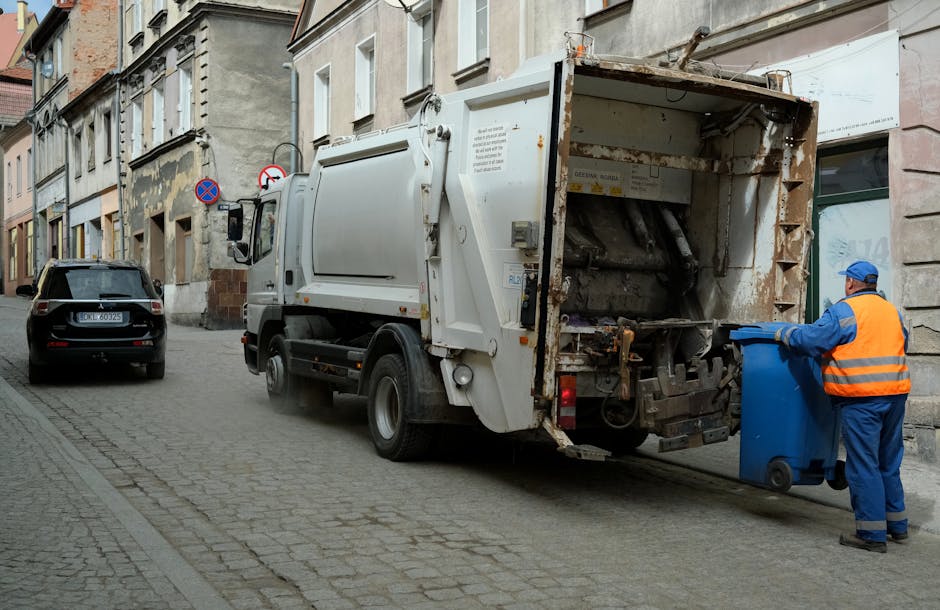
If you live on Belmont Road and your home is one of those awkward, narrow-access properties, rubbish removal can feel like a small logistics puzzle. A sofa that fits indoors may still be impossible to angle through a hallway. A pile of builder's waste can block a path in seconds. And if the front gate barely opens, well, you quickly realise that a standard collection plan is not always enough.
This guide walks you through the Belmont Road rubbish removal guide for tight access homes in a practical, no-nonsense way. You will learn how access issues change the job, what to prepare before collection day, which removal methods tend to work best, and how to avoid the kind of last-minute stress that turns a simple clear-out into a proper headache.
Let's face it: tight access homes are common, especially in older residential streets where stairs are steep, entrances are narrow, and parking is never quite where you want it. The good news is that rubbish removal can still run smoothly with the right planning.
Why Belmont Road rubbish removal matters in tight access homes
Tight access changes everything. On a normal street, a clearance team may be able to park close to the property, load from the front door, and move on. On a narrow road or a property with awkward stairs, side alleys, shared entrances, or limited parking, that straightforward approach can fall apart fast.
The problem is not just convenience. Poor access affects timing, labour, equipment choice, and the risk of damage. A bulky item can scuff walls, catch on railings, or get stuck halfway down the stairs. That is not ideal for anyone, especially if you are already juggling work, family, or a tenancy deadline.
For Belmont Road rubbish removal, a tight-access plan is worth its weight in gold because it helps you:
- avoid unnecessary lifting and re-handling
- reduce the chance of damage to the property
- keep neighbours and pedestrians happier by shortening load times
- match the removal method to the size and type of waste
- make sure awkward items are dealt with safely, not improvised on the spot
Truth be told, the biggest difference between a smooth job and a frustrating one is usually planning. Not glamourous, I know, but that is where the win is.
It also matters because tight-access homes often have a mix of waste types: old furniture, loft clutter, broken appliances, builders' rubble, garden debris, or the odd mystery item from the back of a cupboard that nobody quite claims. A methodical approach helps you separate the easy wins from the awkward stuff before the team arrives.
If you are dealing with general household waste or a larger clear-out, the broader waste removal service and home clearance options are often a good starting point. For bigger property jobs, the related house clearance and flat clearance services can be especially useful.
How Belmont Road rubbish removal guide for tight access homes Works
The process is usually simpler than people expect, but the detail matters. For a tight-access property, rubbish removal tends to follow a more careful sequence than a standard kerbside collection.
First comes the assessment. Someone needs to understand what is being removed, where it is located, and how it can safely leave the property. That means checking stairs, door widths, hallway turns, gate access, parking distance, and whether items must be dismantled before removal.
Then comes sorting. Not everything should be treated as generic rubbish. Furniture, appliances, mattresses, confidential paper, garden waste, builders' waste, and hazardous items may need different handling. Mixing them together is where people get into trouble. A little sort now saves a lot of fuss later.
After that, the team decides on the best loading method. In tight-access homes, that might mean:
- carrying items in smaller sections
- removing doors or legs from bulky furniture where appropriate
- using protective materials for floors and bannisters
- loading from the front, side, rear, or a more convenient exit point
- bringing the right number of people for heavier or awkward items
Finally, the waste is taken away for sorting, reuse, recycling, or disposal depending on the material. If you are trying to clear out a specific room rather than a full property, targeted services such as loft clearance, garage clearance, or furniture clearance can make the job cleaner and more efficient.
One practical point that often gets missed: access issues should be discussed before the day of collection, not after the van has turned up and someone is standing there scratching their head. That sounds obvious. It still happens all the time.
Key Benefits and Practical Advantages
A well-planned rubbish removal service for a tight-access home is about more than taking waste away. It can save time, reduce hassle, and protect the property itself.
Here are the main benefits people tend to notice:
- Less disruption: items are removed in a controlled way, so the job does not take over your whole day.
- Reduced lifting stress: heavy lifting is handled by people used to awkward spaces and odd angles.
- Lower risk of damage: careful movement is better for walls, floors, and tight staircases.
- Better waste separation: reusable items, recyclable materials, and specialist waste can be dealt with properly.
- More predictable outcome: you know what is going, what is staying, and what needs extra attention.
If you have ever tried to carry a wardrobe down a narrow staircase on your own, you already know why this matters. There is a particular moment where the item tilts, the stairwell seems to shrink, and everyone goes quiet. Nobody enjoys that moment.
There is also a commercial benefit. A professionally organised clearance often means fewer delays, fewer return visits, and less risk of paying for mistakes caused by poor planning. If you need a broader view on pricing and how estimates are usually put together, the pricing and quotes page is a useful companion to this guide.
For items that need specialist handling, the right service matters even more. For example, a broken fridge may be better handled through fridge and appliance removal, while old bedding and large soft furnishings may fit better under mattress and sofa disposal.
Who This Is For and When It Makes Sense
This guide is for anyone on Belmont Road, or in a similar tight-access home nearby, who needs rubbish removed without turning the property into a loading bay. It is especially relevant if your home has one or more of these features:
- narrow front doors or internal doorways
- steep or twisting staircases
- shared entrances or tight communal hallways
- limited roadside parking
- a rear access route that is awkward, uneven, or partially blocked
- bulky items that cannot simply be carried straight out
It also makes sense for people in the middle of a life admin moment. Moving house. Clearing after renovations. Sorting a deceased relative's belongings. Emptying a loft that has become a sort of archive of old lamps, suitcases, and half-forgotten Christmas decorations. You know the sort of thing.
For businesses or landlords managing properties with tight access, the same logic applies. A planned collection is often more efficient than asking staff or tenants to improvise. If the rubbish comes from an office or a commercial setting, office clearance and business waste removal may be more appropriate than a general household approach.
And if you are not sure whether your waste is more "household clear-out" or "builders' mess after a hard week", then builders waste clearance is the one to look at. A lot of people underestimate how quickly mixed waste builds up after work starts. One minute it is a paint tin and some packaging; next minute there are tiles, plaster scraps, timber offcuts, and a bag nobody wants to open.
Step-by-Step Guidance
Here is a practical way to organise rubbish removal from a tight-access home without making it harder than it needs to be.
- Walk the route first. Check the path from the waste location to the exit. Look for pinch points, low ceilings, sudden turns, fragile surfaces, and anything likely to snag.
- Group waste by type. Keep furniture, small bagged waste, appliances, garden cuttings, and builders' debris separate where possible. It helps with loading and disposal.
- Measure bulky items. Don't guess. Measure the widest points of sofas, wardrobes, beds, appliances, or cabinets against doors and stair bends.
- Decide what can be dismantled. Some items are easier and safer to remove in parts. Remove shelves, doors, legs, or drawers if needed and if you can do so safely.
- Clear a staging area. Make a small, safe space near the exit where items can be placed before loading. This stops the hallway becoming a messy holding pen.
- Check parking and timing. If vehicle access is limited, find the closest realistic stopping point. A short walk with a trolley is often better than trying to force a vehicle into an impossible spot.
- Flag special items early. Tell the team about anything heavy, fragile, confidential, wet, sharp, or potentially hazardous.
- Confirm final handling. Know what is being taken, what is staying, and how the waste will be sorted after collection.
A tiny detail can make a huge difference. For instance, a door stop wedge, a bit of cardboard on a tight corner, or pre-loosened screws on a flat-pack cupboard can shave several minutes off the job. Not glamorous, but effective.
If your clear-out includes shed or outdoor items, the garden clearance service may help, especially where path access is narrow or the waste has to be carried through the property. The same is true for storage areas: garage clearance can be much easier when the collection route is planned in advance.
Expert Tips for Better Results
After enough removals, a few habits stand out. The homes that go smoothly usually share the same basics: good prep, honest communication, and realistic expectations.
Be direct about access. Say if the stairs are tight, if there is no lift, if the entrance is shared, or if parking is limited. It is far better to sound over-cautious than to surprise the crew halfway through the job.
Keep one route clear. Even if the house is a bit of a work zone, keep one path usable from the waste pile to the exit. That simple step prevents bottlenecks.
Use the right service for the item. A mattress is not handled the same way as rubble. A printer is not the same as confidential paperwork. A fridge is not just "another heavy thing" either.
Protect the home before lifting starts. If the route is especially narrow, lay down a protective covering or at least move decorative items, shoes, and loose clutter out of the way. You will thank yourself later.
Think about sorting at source. If you can separate recyclable material from general waste before the team arrives, the collection tends to be cleaner and more efficient.
For a more sustainable approach, it helps to read the site's recycling and sustainability information. The broader principle is simple: if something can be reused or recycled, it should not be lumped together with everything else just for convenience.
If you are dealing with confidential paperwork or sensitive records during a home or office clear-out, confidential shredding is a sensible option. It sounds like a small thing, but it matters. Nobody wants old bank letters or business files ending up in the wrong pile.
Common Mistakes to Avoid
A lot of access problems are avoidable. Usually, they come from trying to make the job fit the plan instead of making the plan fit the property.
- Underestimating item size. A wardrobe that looks manageable in a room can be hopeless in a staircase.
- Ignoring parking realities. If the vehicle cannot get close, the job may take longer and need more labour.
- Mixing waste types. This creates sorting issues and can complicate disposal.
- Not warning about hazards. Broken glass, nails, chemicals, mouldy items, or heavy wet waste should be flagged early.
- Leaving everything until collection day. You do not want to be hunting for old storage boxes while the team is waiting outside.
One classic mistake is assuming a skip is always the easiest answer. Sometimes it is. Sometimes it is not. If access is tight, a skip may be awkward or even impractical. In those cases, it is worth understanding what can go in a skip before deciding whether that route actually suits your property and waste type.
Another common issue is forgetting that soft furnishings and appliances often need special handling. A heavy sofa through a narrow hallway is the kind of job that looks simple from a distance and slightly impossible up close. A little planning saves bruised knuckles and bruised paintwork.
Tools, Resources and Recommendations
You do not need a van full of equipment to prepare well, but a few practical tools help a lot. Nothing fancy. Just the kind of bits you wish were always in the cupboard when you need them.
- measuring tape for doors, stairs, and bulky items
- gloves for moving loose waste and rough materials
- strong bags or boxes for smaller items
- marker labels for separating what stays and what goes
- basic tools for dismantling furniture safely, if appropriate
- blankets, cardboard, or floor protection for tight routes
On the planning side, these pages are useful if your waste is more specific than a general clear-out:
- furniture disposal for old chairs, tables, wardrobes, and similar items
- mattress and sofa disposal for bulky soft furnishings
- loft clearance for attic spaces that have become storage overflow
- garage clearance for boxed-up clutter, tools, and old storage items
- home clearance for a broader room-by-room job
If your project involves refurbishment debris, mixed materials, or a small renovation, builders waste clearance is usually the most relevant route. If it is a one-off household visit, a general waste removal collection may be all you need.
And if you want to understand the wider organisation behind the service, the company's about us page gives useful context. For a more practical next step, the book online option can be handy when you already know roughly what needs shifting.
Law, Compliance, Standards, or Best Practice
For rubbish removal in the UK, the safest approach is to treat waste handling as something that should be lawful, traceable, and proportionate to the material involved. You do not need to turn into a legal expert, but you should be alert to the basics.
Good practice generally means:
- waste is handled by a responsible operator
- items are sorted appropriately, especially if they are recyclable or special-category waste
- hazardous materials are not treated like ordinary rubbish
- the property is protected during loading
- staff carry out lifting and movement in a safe way
For awkward or higher-risk jobs, safety and insurance are not just nice-to-haves. They are what make the service dependable. If you are choosing between options, the company's insurance and safety and health and safety policy pages are worth reviewing. They help show how seriously the work is approached.
Some items need extra care. Batteries, chemicals, solvents, fridges, or anything that could leak or cause contamination should not be left to guesswork. When in doubt, use the specific route for the item. For sensitive or regulated waste, the hazardous waste disposal information is the right place to start.
There is also a customer-service side to compliance that people often forget. Clear terms, secure payment handling, and a transparent complaint route matter. If you want those details before booking, the relevant pages are payment and security, terms and conditions, and complaints procedure.
Options, Methods, or Comparison Table
There is more than one way to clear rubbish from a tight-access property, and the right choice depends on the waste type, volume, and how awkward the access really is.
| Method | Best for | Strengths | Possible drawbacks |
|---|---|---|---|
| Man-and-van style collection | Mixed household waste, furniture, small clear-outs | Flexible, suited to tight access, often quicker than waiting for a skip | May require careful item sorting and advance access checks |
| General waste removal | Everyday rubbish, bagged waste, clutter | Simple for straightforward jobs, good for short notice | Not always ideal for heavy or specialised items |
| Specific item disposal | Sofas, mattresses, fridges, appliances | Better handling for bulky or regulated items | May need separate booking or item description |
| Skip hire | Projects with easy roadside space and heavy debris | Useful for larger volumes and renovation waste | Can be awkward where access is restricted |
For Belmont Road rubbish removal, the most convenient method is often the one that keeps lifting short, avoids blocking the street, and matches the property's actual layout. A skip can work brilliantly in the right setting. In a tight-access home, though, a collection-based service often feels much less complicated.
For readers still weighing up practical limits, the page on what can go in a skip is useful because it helps set expectations before you choose a method. It is the sort of detail that seems small until you are standing in the driveway wondering where the old plasterboard is supposed to go.
Case Study or Real-World Example
Here is a realistic example from the kind of job that comes up all the time. A homeowner needed a mix of old furniture, black bags, a broken appliance, and loft clutter removed from a narrow property with steep internal stairs. The front entrance was tight, the hallway turned sharply, and the only safe loading point was just outside the front door.
Rather than trying to move everything in one pass, the waste was split into smaller loads. The team took measurements first, identified the bulkiest items, and removed a few parts from furniture to make the route workable. The appliance was separated from the softer waste, and the loft items were bagged before moving downstairs. Small change, but it made the job calmer and quicker.
What mattered most was that nobody tried to force the biggest item through the tightest point. That is where damage tends to happen. The result was a smoother clearance, less time spent standing around, and no drama with the hallway walls. A boring success, maybe, but boring is often what you want from rubbish removal.
In a slightly different scenario, a landlord clearing a compact flat might lean toward flat clearance rather than a general service. If the job involves office files or commercial equipment, office clearance may be the better fit. Choosing the right category saves a lot of back-and-forth.
Practical Checklist
Use this before collection day. It keeps things tidy and reduces the chance of awkward surprises.
- Confirm exactly what needs to be removed
- Measure any bulky or heavy items
- Check door widths, stair turns, and gate access
- Clear a path from the waste to the exit
- Separate hazardous, confidential, recyclable, and general waste
- Decide whether any furniture should be dismantled
- Move fragile or valuable items away from the route
- Think about parking and vehicle access
- Tell the team about anything especially awkward
- Keep terms, payment, and timing expectations clear
If your clearance includes delicate household items or mixed room contents, it may also help to review the broader furniture clearance and home clearance pages to see which type of job best matches your needs.
Expert summary: the best tight-access rubbish removal is not the fastest-looking one; it is the one that is planned properly, respects the route, and uses the simplest safe method. That is the whole trick, really.
Get a free quote today and see how much you can save.
Conclusion
A Belmont Road rubbish removal job in a tight-access home does not have to be stressful. Once you understand the access route, separate the waste properly, and choose the right removal method, the whole process becomes much more manageable. A little preparation goes a long way.
Whether you are clearing one awkward item or an entire property, the key is to be honest about the layout, realistic about the lifting, and sensible about the service type. That approach protects your home, saves time, and makes the day feel far less chaotic. And honestly, that is worth a lot when you are already dealing with enough.
If you want to move forward with confidence, use the practical pages on the site to narrow down the right service, compare your options, and book only when it feels right. Small jobs and big jobs both go better when you start with a calm plan.
Frequently Asked Questions
What makes rubbish removal from a tight-access home different?
The main difference is the route. Narrow stairs, limited parking, awkward corners, and smaller doorways mean waste has to be moved more carefully. That affects the time, the method, and sometimes the type of vehicle or manpower needed.
Can bulky furniture be removed from narrow hallways?
Often, yes, but it depends on the item and the layout. Many bulky pieces can be dismantled or moved in sections. Sofas, wardrobes, and beds are common examples where a bit of preparation helps a lot.
Should I measure my furniture before booking?
Yes. Measuring the widest part of a sofa, wardrobe, or appliance can prevent wasted time on the day. If the item cannot fit safely through the route, it may need to be dismantled or handled differently.
Is a skip a good idea for tight-access properties?
Sometimes, but not always. If there is limited roadside space or awkward access to the property, a collection-based service may be more practical. The best choice depends on the waste volume and the physical layout.
What types of waste need special handling?
Hazardous materials, fridges, appliances, confidential documents, and certain bulky furnishings may need specific handling. It is always better to mention these items early rather than leave them until the day of collection.
How do I prepare a narrow hallway for rubbish removal?
Clear the route, move fragile items, and create a staging area near the exit if possible. Even small changes like removing loose shoes or picture frames from the path can make the job smoother.
Do I need to sort all the waste myself?
Not necessarily, but separating obvious categories such as furniture, bags of general rubbish, appliances, and recyclables helps. It speeds things up and can make disposal more efficient.
What if I have no parking outside the property?
That is common on busy residential roads. A good plan usually involves identifying the nearest realistic stopping point and making sure the collection route is still workable from there.
Can you remove items from a loft or garage with difficult access?
Yes, provided the route is safe and the items can be moved without damage. Loft and garage clearances are often manageable, but they benefit from advance planning because the spaces are usually awkward in different ways.
What should I check before agreeing to a removal service?
Check what is included, how access is handled, whether there are any item restrictions, and how payment works. It is also worth understanding the provider's safety approach and terms before booking.
Is furniture disposal better than general waste removal for old sofas and beds?
Usually, yes. Specific disposal services are designed for bulky household items and tend to be more suitable than a broad mixed-waste approach. It also makes planning the route easier.
What is the best first step if I am not sure what service I need?
Start by listing the items and thinking about access. Once you know what is being removed and how it can leave the property, it becomes much easier to choose between home clearance, furniture disposal, builders' waste clearance, or a general rubbish removal service.